

Pluripotent stem cells are defined as cells capable of differentiating into any cell type derived from the body's three primary germ layers: ectoderm, mesoderm, and endoderm. This single biological property makes them the foundation of modern regenerative medicine and disease modeling. Two major categories exist: embryonic stem cells (ESCs), derived from the inner cell mass of a blastocyst, and induced pluripotent stem cells (iPSCs), generated by reprogramming adult somatic cells. The role of pluripotent stem cells now extends from basic developmental biology to clinical trials targeting cardiac, neural, and hepatic conditions. Regulatory bodies including the FDA and the European Medicines Agency govern their clinical translation under frameworks such as Investigational New Drug (IND) applications and Advanced Therapy Medicinal Products (ATMP) guidelines.
How are pluripotent stem cells generated and characterized?
Embryonic stem cells are isolated from the inner cell mass of a blastocyst at the 5–7 day stage of embryonic development. This derivation process yields cells with broad differentiation potential, but it raises ethical concerns that have driven demand for alternative sources.
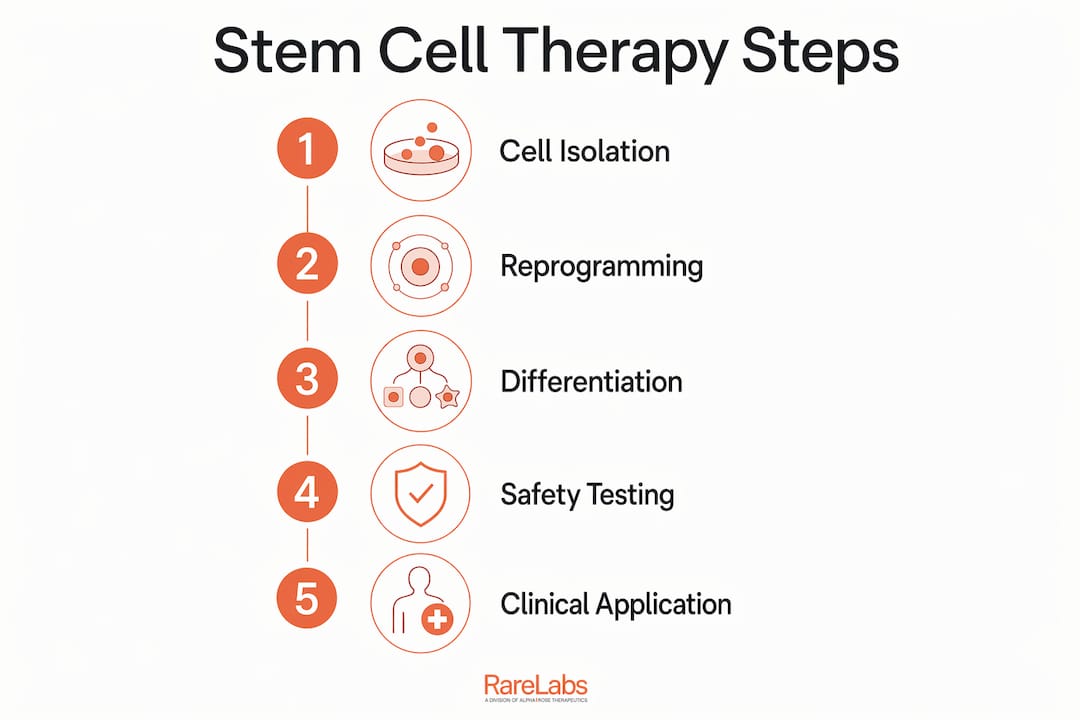
iPSC technology resolved many of those concerns. Shinya Yamanaka's 2006 discovery showed that introducing four transcription factors, Oct4, Sox2, Klf4, and c-Myc, into mouse somatic cells could reset their identity to a pluripotent state. iPSC technology has since progressed from those early mouse models to human clinical applications entering mid-stage trials as of 2026. That two-decade arc represents one of the fastest translations from basic science to clinical practice in modern biology.
Validating pluripotency requires a defined set of quality controls:
- Transcription factor expression: Cells must express Oct4, Sox2, and Nanog at levels consistent with pluripotency.
- Teratoma formation assay: Injecting iPSCs into immunodeficient mice confirms their ability to generate all three germ layers in vivo.
- Karyotyping and genomic integrity: Standard G-banding or array comparative genomic hybridization screens for chromosomal abnormalities introduced during reprogramming.
- Directed differentiation assays: Cells are pushed toward cardiac, neural, or hepatic lineages to confirm functional pluripotency.
Pro Tip: When selecting reprogramming vectors for research, prioritize episomal or modified mRNA methods over retroviral systems. Non-integrating reprogramming methods-84) reduce the risk of insertional mutagenesis, which is a critical safety consideration for any downstream clinical application.
What roles do pluripotent stem cells play in regenerative medicine?
Regenerative cell therapy operates through two distinct mechanisms. The first is direct cell replacement, where iPSC-derived cells permanently engraft and restore lost function. The second is endogenous stimulation, where transplanted cells release paracrine signals that activate the patient's own progenitor cells. Direct replacement offers long-term restoration, while endogenous stimulation typically produces transient benefit. Choosing between these strategies depends on the disease target, the patient's residual tissue capacity, and the regulatory pathway available.
Clinical programs advancing through trials in 2026 illustrate the breadth of pluripotent stem cell applications:
- Cardiac repair: iPSC-derived cardiomyocytes are being tested to replace cells lost after myocardial infarction, with early trials reporting measurable improvements in ejection fraction.
- Neural regeneration: Dopaminergic neuron precursors derived from iPSCs are in Phase I/II trials for Parkinson's disease, targeting the specific cell population destroyed by the condition.
- Hepatic support: iPSC-derived hepatocytes show promise for acute liver failure and metabolic liver diseases where transplant organs are scarce.
- Retinal repair: RPE cells derived from iPSCs have reached clinical trials for age-related macular degeneration, with Japan's regulatory authority approving the first autologous iPSC-derived retinal sheet transplant.
Permanent engraftment therapies face distinct challenges that transient approaches do not. Engrafted cells must evade immune rejection, integrate structurally into host tissue, and maintain function over years. Immune evasion and long-term integration remain the two most consequential unsolved problems in cell replacement therapy. Solving them will determine whether iPSC-based regenerative medicine reaches its full clinical potential.
Safety and manufacturing reproducibility are equally critical. Clinical translation requires harmonizing safety, efficacy, and manufacturing reproducibility-84) to satisfy FDA IND and European ATMP standards. Meeting those standards is not a formality. It is the primary bottleneck separating promising preclinical results from approved therapies.
How do pluripotent stem cells transform disease modeling and drug discovery?
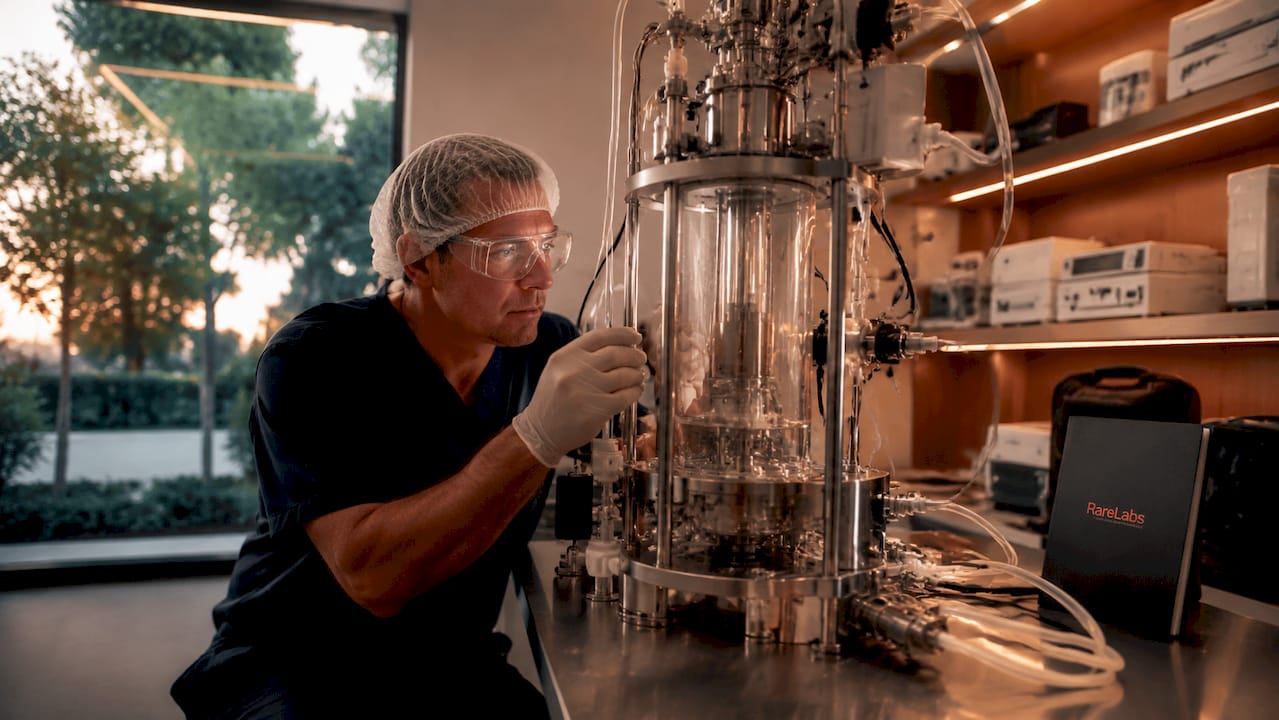
Patient-derived iPSCs capture the genetic background of individual patients, including rare variants that animal models and 2D cell lines cannot replicate. iPSCs combined with 3D organoid technology produce personalized disease models that better mimic human genetic and phenotypic variability than conventional approaches. This matters enormously for rare disease research, where patient populations are small and genetic heterogeneity is high.
Key applications in disease modeling and drug discovery include:
- Rare disease modeling: Patient-derived iPSCs from individuals with ultra-rare genetic conditions generate tissue-specific cells that carry the exact mutation driving disease, enabling mechanistic studies impossible in animal models.
- Organoid platforms: 3D organoids derived from iPSCs replicate the architecture of organs including the brain, gut, kidney, and liver. Researchers use these to study disease progression at the tissue level.
- CRISPR integration: Pairing iPSCs with CRISPR-Cas9 allows researchers to introduce or correct specific mutations, creating isogenic controls that isolate the effect of a single genetic change.
- High-throughput drug screening: iPSC-derived disease models support screening of thousands of compounds simultaneously, identifying candidates with therapeutic potential before any animal study.
Pro Tip: When building iPSC-based disease models for personalized medicine research, generate at least three independent iPSC clones per patient. Clonal variation is real, and averaging across clones produces more reproducible phenotypes than relying on a single line.
Hopeatrarelabs applies this exact approach in its rare disease work, using patient-derived iPSCs alongside CRISPR gene editing to build disease models for ultra-rare and undiagnosed conditions. The goal is to run parallel treatment screens across thousands of FDA-approved drugs and custom antisense oligonucleotides (ASOs), identifying candidates that would otherwise never be tested in such small patient populations.
What are the key challenges in manufacturing pluripotent stem cell therapies?
The field has shifted. The main challenge is no longer establishing pluripotency-84) but meeting the safety, efficacy, and regulatory demands required for clinical biologics. Manufacturing at scale introduces problems that bench-scale research never encounters.
Two manufacturing paradigms dominate the field:
| Platform | Strengths | Limitations |
|---|---|---|
| Allogeneic (bank-based) | Scalable, standardized, cost-effective for large populations | Immune mismatch risk; less patient-specific |
| Autologous (patient-specific) | Matches patient genetics; reduces immune rejection | High cost, long production timelines, difficult to scale |
Allogeneic, bank-based iPSC strategies-84) provide scalability and regulatory advantages when patient specificity is not critical. Banked master cell lines allow standardized manufacturing and characterization across batches. Autologous approaches remain preferable when the disease mechanism is driven by patient-specific genetic variants, as is common in rare disease contexts.
Tumorigenicity is a persistent safety concern. Residual undifferentiated iPSCs in a final cell product can form teratomas after transplantation. Manufacturers address this through rigorous differentiation protocols, flow cytometry-based purity checks, and in vivo safety studies in immunodeficient mouse models.
Non-integrating reprogramming methods-84) such as modified mRNA, episomal vectors, and small molecule cocktails reduce genomic instability risks compared to retroviral or lentiviral vectors. Regulatory agencies now strongly prefer these methods for any product intended for clinical use. The genetics underlying reproductive technologies also intersect with stem cell manufacturing quality, as genetic screening in advanced cell therapies shares quality-control principles with IVF-based genetic assessment.
What future directions are shaping pluripotent stem cell research?
The next generation of pluripotent stem cell research focuses on solving the problems that current clinical programs have exposed rather than simply expanding the list of target diseases.
- Pre-administration cell modification: Modifying therapeutic cells before transplantation enhances regenerative outcomes by improving integration and repair efficacy. Approaches include engineering cells to express immune-evasion molecules or to secrete specific growth factors at the transplant site.
- Microenvironment engineering: Replicating the physical microenvironment, including extracellular matrix composition and mechanical cues, is required to achieve functional organoid maturity. Growth factors alone are insufficient. This remains one of the largest technical gaps between organoid models and real tissue.
- Non-viral reprogramming: Advances in lipid nanoparticle delivery and synthetic mRNA chemistry are making non-viral reprogramming more efficient, reducing both cost and genomic risk simultaneously.
- AI integration: Machine learning models trained on large iPSC differentiation datasets are beginning to predict optimal differentiation protocols and flag quality control deviations before they affect product batches.
- Precision medicine frameworks: Linking patient genomic data directly to iPSC-derived phenotypes creates a feedback loop between genetic diagnosis and therapeutic screening, which is the model Hopeatrarelabs uses for rare disease programs.
Researchers interested in biopharma innovation trends driving these advances will find that the convergence of AI, genome editing, and iPSC technology is accelerating timelines across the board.
Key Takeaways
The role of pluripotent stem cells in medicine is defined by their differentiation capacity, their utility in patient-specific disease modeling, and the manufacturing and regulatory demands that determine whether laboratory discoveries reach patients.
| Point | Details |
|---|---|
| Two cell sources, distinct trade-offs | ESCs offer broad potency; iPSCs avoid ethical concerns and enable patient-specific applications. |
| Manufacturing paradigm matters | Allogeneic platforms scale better; autologous platforms suit rare, genetically driven diseases. |
| Disease modeling outpaces therapy | iPSC-derived organoids already deliver drug screening value while cell replacement therapies clear regulatory hurdles. |
| Safety is the primary bottleneck | Tumorigenicity, immune rejection, and genomic instability are the three risks that manufacturing protocols must eliminate. |
| Microenvironment is the missing piece | Functional organoid maturity requires physical and biochemical cues, not growth factors alone. |
Why the clinical translation gap is wider than most researchers expect
The science of pluripotency is largely solved. What remains unsolved is the engineering and regulatory problem of turning that science into a reproducible, safe, manufacturable product. I have watched research programs with genuinely compelling preclinical data stall for years at the manufacturing stage, not because the biology failed, but because the team underestimated what "clinical-grade" actually requires.
The most common mistake is treating iPSC generation as the finish line. It is the starting line. Every step after reprogramming, differentiation, quality control, scale-up, cryopreservation, and release testing, carries its own failure modes. Researchers who engage with regulatory guidance early, before they have a product, consistently move faster than those who treat compliance as a late-stage concern.
Patient-derived iPSC models combined with organoid technology represent the area where I see the most immediate, underutilized value. For rare diseases especially, these models give researchers a human-relevant system to test hypotheses and screen compounds without waiting for clinical access. The genetic disease modeling work being done in this space is producing findings that would have taken a decade using traditional approaches.
The field needs more interdisciplinary teams, not more isolated biology labs. Bioengineers, regulatory scientists, and clinicians need to be in the room from day one.
— John
Hopeatrarelabs and pluripotent stem cell research for rare diseases
Researchers working on ultra-rare and undiagnosed genetic diseases face a specific problem: the patient population is too small to support conventional drug development, and no approved treatment exists to start from.
Hopeatrarelabs addresses this directly. The platform builds patient-specific iPSC-derived disease models, then runs parallel screens across thousands of FDA-approved drugs, custom ASOs, and gene therapy candidates. The RareLabs Knowledge base provides researchers and clinicians with detailed insights on disease modeling methods, treatment screening results, and the science behind each therapeutic approach. For research teams and patient foundations looking to accelerate from genetic diagnosis to testable treatment options, Hopeatrarelabs offers a scientifically rigorous, patient-centered path forward.
FAQ
What is the role of pluripotent stem cells in development?
Pluripotent stem cells generate all cell types of the body by differentiating into ectoderm, mesoderm, and endoderm lineages during early embryonic development. This capacity makes them the origin point of every tissue and organ in the human body.
How do induced pluripotent stem cells differ from embryonic stem cells?
iPSCs are generated by reprogramming adult somatic cells using transcription factors such as Oct4 and Sox2, while ESCs are derived from the inner cell mass of a blastocyst. iPSCs avoid the ethical concerns associated with embryo use and allow patient-matched cell production.
What are the main therapeutic uses of pluripotent stem cells?
Current clinical applications include iPSC-derived cardiomyocytes for cardiac repair, dopaminergic neurons for Parkinson's disease, hepatocytes for liver failure, and retinal pigment epithelium cells for macular degeneration.
Why is manufacturing pluripotent stem cell therapies so difficult?
Producing clinical-grade iPSC therapies requires eliminating residual undifferentiated cells, maintaining genomic integrity, achieving consistent differentiation, and satisfying FDA IND or European ATMP regulatory standards across every batch.
How are pluripotent stem cells used in drug discovery?
Patient-derived iPSCs generate disease-relevant cell types that carry the patient's own genetic variants, enabling high-throughput screening of drug candidates in a human-relevant model that animal systems cannot replicate.