
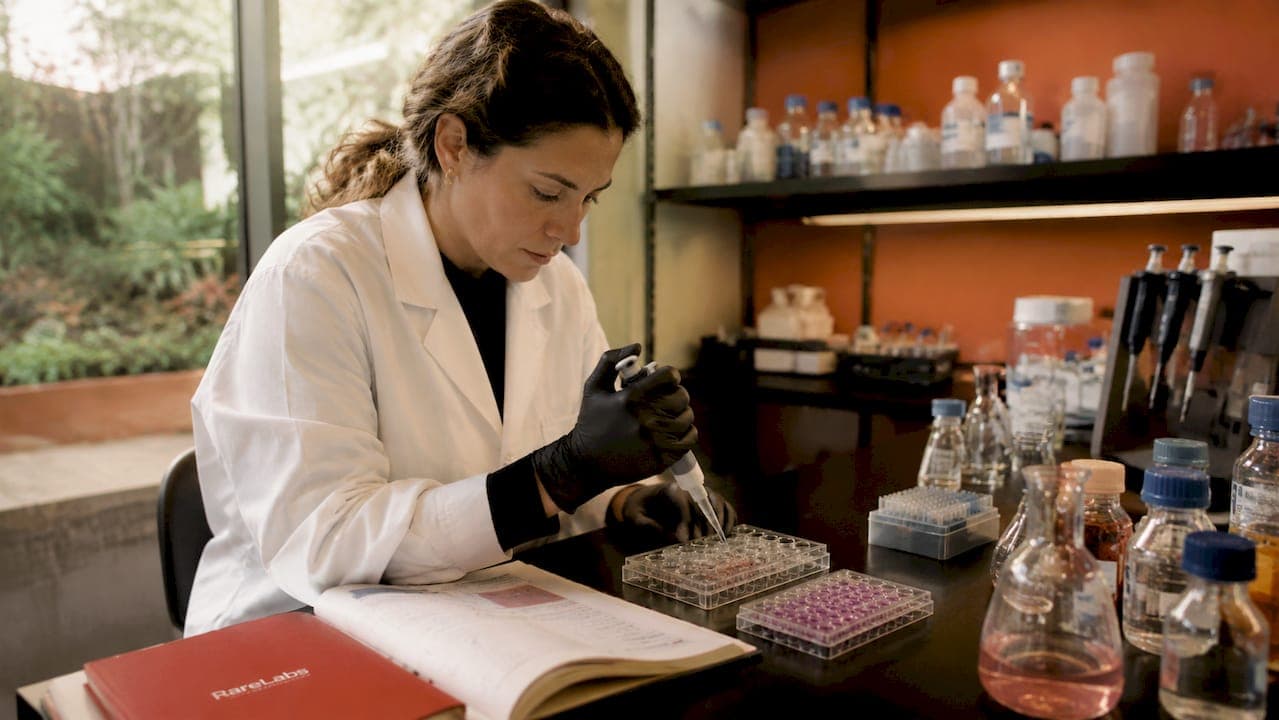
Phenotype-driven drug discovery (PDD) is defined as a target-agnostic screening strategy that identifies drug candidates based on observable functional changes in cells or organisms, without requiring prior knowledge of a specific molecular target. The industry standard term is phenotypic drug discovery, and it stands in direct contrast to target-based drug discovery (TDD), where a molecular target is identified first. PDD contributes disproportionately to first-in-class drug approvals compared to TDD, making it a critical tool for researchers working on complex genetic diseases where molecular mechanisms remain poorly understood. Platforms like DrugReflector and technologies including high-content imaging and AI-driven screening are accelerating this field.
How does phenotype-driven drug discovery work?
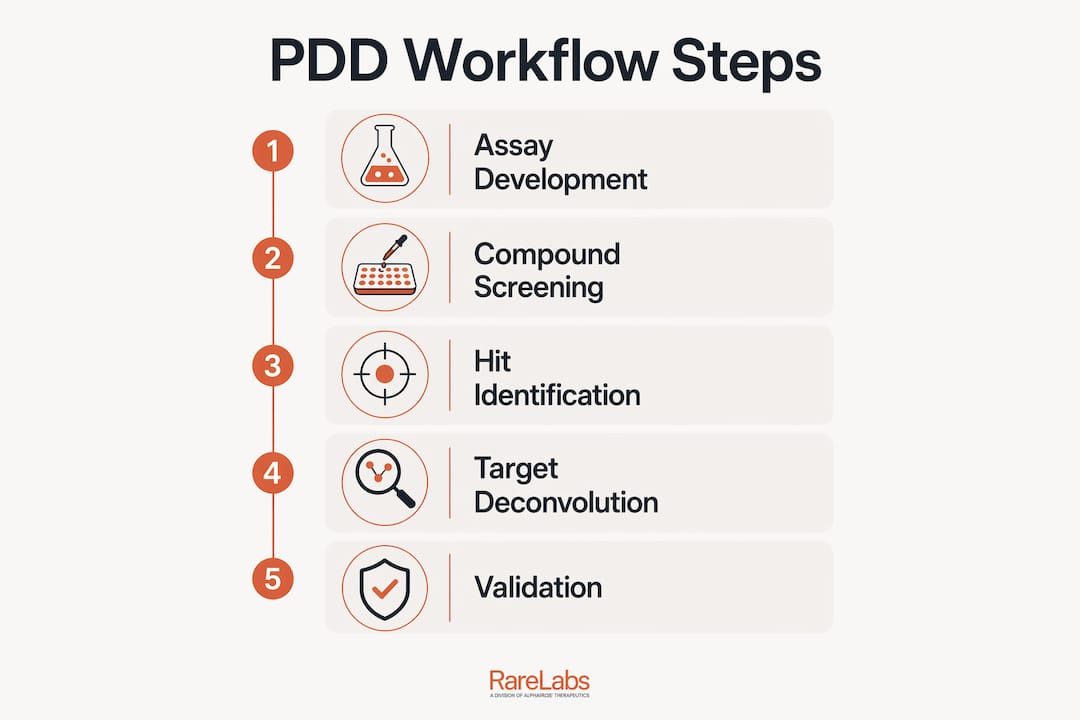
PDD begins with a compound library and a biologically relevant disease model, not a target hypothesis. The workflow moves from assay design through screening, hit identification, and finally target deconvolution. Each stage demands careful planning, because decisions made early determine whether a promising compound ever reaches clinical testing.
Step 1: assay development and model selection
The disease model is the foundation of any phenotypic screen. Researchers choose from cellular models (immortalized lines, primary cells), tissue models, or whole organisms such as zebrafish. Patient-derived iPSCs are the gold standard for genetic diseases because they recapitulate patient-specific biology that immortalized lines cannot. The tradeoff is cost and complexity, but the predictive value justifies it for rare disease programs.
Step 2: compound screening and endpoint measurement
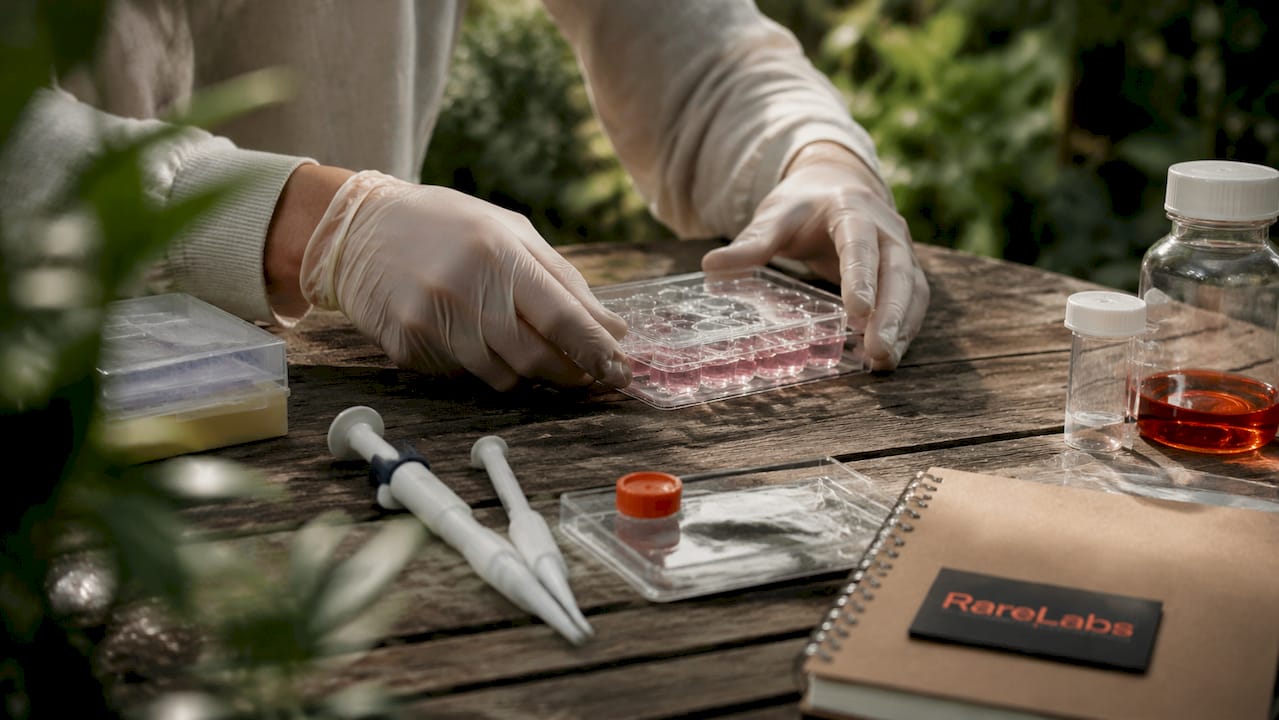
Compounds are applied to the model system, and phenotypic changes are measured across multiple endpoints. These include cell morphology, viability, protein localization, and intracellular signaling. High-content imaging platforms capture hundreds of parameters per well simultaneously, generating rich multiparametric datasets that simple viability assays cannot produce.
Step 3: hit identification and validation
Computational analysis filters raw screening data to identify compounds that produce a desired phenotypic shift. Hits are then validated in orthogonal assays to confirm the effect is reproducible and specific.
Pro Tip: Design a cytotoxicity counter-screen at the hit identification stage. False positives in PDD frequently arise from general cytotoxicity mistaken for therapeutic modulation, and catching them early saves months of wasted follow-up work.
Step 4: target deconvolution
Once hits are confirmed, researchers work backward to identify the molecular target. Chemoproteomics, CRISPR genetic screens, and transcriptomic profiling are the primary tools. Target deconvolution is technically complex and consistently underestimated in project timelines. Teams that plan for it from day one move significantly faster than those who treat it as an afterthought.
Phenotype-based vs. target-based drug discovery: advantages and limitations
PDD and TDD differ fundamentally in workflow: PDD starts with phenotypic outcomes and identifies targets later, while TDD identifies a target first and designs compounds against it. Neither approach is universally superior. The right choice depends on disease biology, available knowledge, and program goals.
Where phenotypic screening wins
PDD's core strength is biological relevance. Because screening occurs in intact cells or organisms, compounds must work in a physiological context, not just bind an isolated protein. This filters out many compounds that look good biochemically but fail in cells. PDD is also pathway-unbiased, meaning it can reveal unexpected mechanisms that no target hypothesis would have predicted.
The advantages of phenotype-based approaches include:
- First-in-class drug discovery: PDD has produced drugs for diseases where no validated target existed, including several approved therapies for neurological and metabolic conditions.
- Complex disease suitability: For diseases driven by network-level dysfunction rather than a single gene, PDD captures system-wide responses that TDD misses.
- Reduced target assumption risk: TDD often fails because pathway redundancy allows cells to compensate around a blocked target. PDD sidesteps this by measuring functional outcomes directly.
Where target-based methods hold an edge
TDD offers mechanistic clarity from the start. Medicinal chemists can optimize compounds against a defined structure-activity relationship, and safety liabilities tied to the target are identifiable early. TDD also integrates more naturally with structure-based drug design tools like molecular docking and cryo-EM.
| Factor | Phenotype-Driven (PDD) | Target-Based (TDD) |
|---|---|---|
| Starting point | Observable biological effect | Defined molecular target |
| Target knowledge required | No | Yes |
| First-in-class potential | High | Moderate |
| Mechanistic clarity | Gained post-screening | Available from start |
| Disease model complexity | High (especially iPSCs) | Lower |
| False positive risk | Cytotoxicity confounds | Off-target binding confounds |
| Best suited for | Complex, poorly understood diseases | Well-characterized pathways |
Pro Tip: For rare genetic diseases with no validated target, start with PDD to identify active compounds, then use TDD tools for mechanism elucidation. Experts recommend this integrated approach as the most productive path to clinical candidates.
What technologies are transforming phenotypic screening in drug discovery?
The biggest constraint in PDD has shifted. The bottleneck is no longer library size but the complexity of interpreting phenotypic readouts. Modern computational and imaging technologies are directly addressing this.
AI and closed-loop active learning
AI frameworks like DrugReflector use closed-loop active reinforcement learning to prioritize which compounds to screen next based on real-time data. These AI approaches reduce screening requirements by an order of magnitude compared to exhaustive library screening. That reduction translates directly into lower costs and faster timelines, which matters enormously for rare disease programs with limited budgets.
Multi-omics integration
Modern PDD platforms now combine high-content imaging with transcriptomics, proteomics, and genomics to build richer phenotype models. Transcriptomic, proteomic, and genomic data modeling improves phenotype representation far beyond morphology alone. A compound that changes cell shape and also shifts a disease-relevant gene expression signature is a much stronger candidate than one that only affects morphology.
Key technological advances currently reshaping the field:
- High-content imaging: Captures hundreds of morphological and fluorescence parameters per cell, enabling multiparametric phenotype scoring.
- Machine learning classifiers: Trained on reference compound profiles to predict mechanism of action for novel hits.
- CRISPR functional genomics: Used in target deconvolution to confirm which gene perturbation phenocopies the compound's effect.
- Single-cell transcriptomics: Resolves heterogeneous cell population responses that bulk assays average out and miss.
| Technology | Primary Role in PDD | Impact on Rare Disease Programs |
|---|---|---|
| High-content imaging | Multiparametric phenotype capture | Detects subtle disease-relevant changes |
| DrugReflector (AI) | Active learning compound prioritization | Reduces screen size by ~10x |
| iPSC disease models | Physiologically relevant screening substrate | Captures patient-specific pathology |
| CRISPR screens | Target deconvolution | Confirms genetic basis of compound effect |
| Multi-omics profiling | Mechanistic phenotype modeling | Reveals pathway-level drug activity |
For a broader view of how computational advances are reshaping biopharma, the 2026 biopharma innovation trends analysis covers the key drivers in detail.
How is PDD applied to genetic and rare disease therapy development?
PDD is especially valuable for therapeutic areas with poorly understood mechanisms, including oncology, neurodegeneration, and rare genetic diseases. Most ultra-rare diseases have no validated molecular target, no approved therapy, and a patient population too small to support traditional drug development economics. PDD changes the calculus.
Why rare diseases demand a phenotype-first strategy
When a disease is caused by a novel mutation with unknown downstream effects, there is no target to design against. PDD allows researchers to screen compounds directly in patient-derived cells and ask a simpler question: does this compound restore normal cell function? That question is answerable even when the full disease mechanism is not.
Patient-derived iPSCs are crucial for capturing the physiological complexity of rare genetic diseases. Immortalized cell lines often fail to recapitulate the disease phenotype, producing screens that look clean in the lab but fail in patients. iPSC-derived neurons, cardiomyocytes, or hepatocytes from the actual patient carry the full genetic context of the disease.
Key considerations for applying PDD to rare genetic diseases:
- Model fidelity: Use patient-derived cells whenever possible. The disease modeling approach directly determines whether hits translate to clinical benefit.
- Phenotype definition: Define the disease phenotype precisely before screening. Vague endpoints produce uninterpretable results.
- Parallel screening: Test FDA-approved drugs alongside experimental compounds to identify repurposing candidates quickly.
- Target deconvolution planning: Build chemoproteomics and genetic validation experiments into the project plan from the start, not as an afterthought.
Pro Tip: For ultra-rare diseases, prioritize FDA-approved drug libraries in your first screen. Drug repurposing via phenotypic discovery offers the fastest path to a treatment option because safety data already exists, compressing the timeline from hit to patient.
Many targets identified through TDD fail clinical translation, driving renewed interest in PDD for complex biological contexts. For rare disease researchers, this is not an abstract trend. It is the practical reason to start with function rather than mechanism.
Key takeaways
Phenotype-driven drug discovery identifies active compounds in disease-relevant biological systems first, then determines mechanism, making it the most direct path to novel therapies for genetic diseases with no validated target.
| Point | Details |
|---|---|
| PDD is target-agnostic | Screening starts with functional biological outcomes, not a predefined molecular target. |
| iPSCs improve predictive value | Patient-derived induced pluripotent stem cells capture disease complexity that immortalized lines miss. |
| AI reduces screening burden | Tools like DrugReflector cut screening requirements by an order of magnitude through active learning. |
| Target deconvolution needs early planning | Chemoproteomics and CRISPR validation must be built into the project from day one to avoid delays. |
| Cytotoxicity is the top false positive risk | Counter-screens for general cytotoxicity are required to distinguish true phenotypic modulation from cell death. |
Why i think the field is still underestimating pdd's complexity
After years of watching drug discovery programs succeed and stall, the pattern I see most often is this: teams adopt phenotypic screening because they lack a target, then treat it as a simpler alternative to TDD. It is not simpler. It is differently complex.
The assay design decisions made in week one determine everything downstream. A poorly defined phenotypic endpoint produces hits that are technically real but biologically meaningless. I have seen programs spend six months validating compounds that were never going to translate because the original assay measured the wrong thing.
The technology is genuinely exciting. AI frameworks like DrugReflector and multi-omics integration are real advances, not marketing. But they amplify the quality of your inputs. A better algorithm applied to a bad disease model produces better-organized noise.
My practical advice: invest disproportionately in model selection and phenotype definition before you touch a compound library. The genetic disease research process requires this discipline especially for ultra-rare cases where you may only get one shot at a meaningful screen. The teams that get this right are the ones combining PDD's functional breadth with TDD's mechanistic rigor from the start, not treating them as competing philosophies.
— John
Accelerate your rare disease research with Hopeatrarelabs
Hopeatrarelabs applies phenotype-driven discovery directly to ultra-rare and undiagnosed genetic diseases, using patient-derived iPSCs, CRISPR gene editing, and parallel treatment screens across thousands of FDA-approved compounds, custom ASOs, and gene therapy candidates.
If you are working on a disease with no approved therapy and no validated target, the RareLabs Knowledge hub provides curated research tools, treatment search resources, and scientific guidance built specifically for rare disease programs. Explore the platform to find screening data, disease modeling insights, and expert-validated resources that complement a phenotype-first discovery strategy.
FAQ
What is phenotype-driven drug discovery?
Phenotype-driven drug discovery, also called phenotypic drug discovery, is a screening strategy that identifies drug candidates based on observable functional changes in cells or organisms without requiring prior knowledge of a molecular target. It is especially useful for diseases where the molecular mechanism is poorly understood.
How does phenotypic screening differ from target-based discovery?
Target-based discovery starts with a defined molecular target and designs compounds against it, while phenotypic screening starts with a biological effect and identifies the target afterward. TDD offers early mechanistic clarity; PDD offers broader discovery potential for complex diseases.
What are the main limitations of phenotype-based approaches?
The two primary limitations are false positives from cytotoxicity and the complexity of target deconvolution after hits are identified. Careful assay design and early planning for chemoproteomics experiments are required to manage both risks.
Why are iPSCs important for rare disease drug screens?
Patient-derived iPSCs carry the full genetic context of the disease, making them far more predictive than immortalized cell lines. They capture the physiological complexity that determines whether a compound identified in the lab will actually work in a patient.
How is AI improving phenotypic drug discovery?
Closed-loop active learning frameworks like DrugReflector analyze screening data in real time and prioritize the most promising compounds for follow-up, reducing the total number of compounds that need to be screened by an order of magnitude while maintaining hit rate quality.