

Custom antisense oligonucleotides (ASOs) deliver sequence-specific RNA modulation, reducing toxic transcripts, restoring correct splicing, or upregulating functional protein at the molecular level. For clinicians and researchers working with monogenic or ultra-rare diseases, that precision is the point: when no approved therapy exists and a patient's variant is private, a custom ASO may be the only pharmacological option worth pursuing.
The clearest proof of concept is Milasen, developed at Boston Children's Hospital for a single patient with Batten disease caused by a unique intronic splice-altering variant. From variant identification to first human dose took roughly one year, a timeline that would have been unthinkable a decade earlier. That case established that the N-of-1 ASO pathway is real, regulatorily navigable, and clinically meaningful.
The role of custom ASOs in treatment is now expanding rapidly. As of January 2025, at least 27 individuals globally have received individualized ASO therapies for specific genetic variants. This figure reflects real-world uptake of N-of-1 approaches for conditions that otherwise have no pharmacological path forward.
The three primary clinical roles custom ASOs fill:
- Knockdown via RNase H-mediated degradation: reduces expression of a toxic gain-of-function transcript
- Splice modulation: corrects aberrant splicing caused by a pathogenic intronic or exonic variant, restoring functional protein
- Steric block / translational regulation: physically blocks ribosomal access or spliceosome binding to upregulate a silenced allele or suppress a specific isoform
Custom ASOs are most practicable for monogenic disorders with a defined, targetable molecular defect, particularly when the variant is too rare for a conventional drug program and the disease is rapidly progressive.
Key Takeaways
Custom ASOs provide the most direct path to a personalized treatment for monogenic and ultra-rare diseases when no approved therapy exists and the variant is functionally characterized at the RNA level.
| Point | Details |
|---|---|
| Mechanism selection is foundational | Match RNase H degradation, splice-switching, or steric block to the variant's molecular effect before designing sequences. |
| Functional RNA evidence gates eligibility | Variants with demonstrated splicing or protein-level impact have stronger ASO candidacy than genotype alone. |
| Accelerated IND timelines are real | FDA precedent allows compressed toxicology for rapidly progressive diseases; pre-IND engagement is required to use it. |
| N-of-1 costs average ~USD 1.6M | Boston Children's Hospital data sets a realistic funding target; family foundations and biopharma partnerships are the primary sources. |
| Hopeatrarelabs iPSC screens de-risk lead selection | Parallel candidate screening in patient-derived iPSC models identifies the strongest ASO before GMP synthesis commitment. |
Table of Contents
- How ASOs work: mechanisms of action and when to use each
- ASO chemistry: backbones, modifications, and design choices that matter
- Clinical applications: where custom ASOs have the most traction
- How to design a custom ASO: from variant to IND-capable candidate
- Preclinical testing before human use: what regulators expect
- Routes of administration, biodistribution, and CNS delivery
- ASO toxicities, immunogenicity, resistance, and monitoring
- U.S. regulatory pathway: IND requirements and FDA considerations for N-of-1 programs
- GMP manufacturing, CMC requirements, and realistic costs
- Real N-of-1 cases: Milasen and what followed
- How Hopeatrarelabs integrates iPSC models and parallel screens to accelerate custom ASO programs
- The gap between what N-of-1 ASO programs promise and what actually determines success
- Hopeatrarelabs: patient-derived iPSC modeling and custom ASO screening for ultra-rare diseases
- Sources
How ASOs work: mechanisms of action and when to use each
Three molecular mechanisms define the impact of custom ASOs in treatment, and each maps to a distinct variant pathomechanism. Choosing the wrong mechanism for a given variant is one of the most common design errors in early-stage programs.
RNase H-mediated degradation works when the ASO binds a complementary RNA target and recruits the endogenous RNase H enzyme, which cleaves the RNA strand of the DNA:RNA hybrid. The result is transcript knockdown. This is the right tool for toxic gain-of-function mutations, where reducing total transcript load is the therapeutic goal. Biomarkers of on-target activity include reduction in target mRNA by RT-qPCR and, where applicable, reduction in a toxic protein by immunoassay.
Splice-switching uses a steric-blocking ASO to physically occlude a splice site, branch point, or exonic splicing enhancer. No RNA cleavage occurs. Instead, the spliceosome is redirected, either to skip a pathogenic exon or to include a normally skipped one. The canonical use case is a deep intronic variant that creates a pseudoexon, or a variant that disrupts a canonical splice site. On-target biomarkers are isoform ratios measured by RT-PCR or RNA-seq.
Steric block for translational inhibition or upregulation covers a broader set of applications. Blocking the 5' UTR or start codon suppresses translation of a specific transcript. Blocking a natural antisense transcript or a microRNA binding site can upregulate a silenced allele, which is relevant for haploinsufficiency where the second allele is intact but suppressed.
| Mechanism | Molecular effect | Canonical use cases | On-target biomarkers |
|---|---|---|---|
| RNase H degradation | Cleavage and knockdown of target RNA | Toxic gain-of-function, dominant-negative transcripts | Target mRNA reduction, protein reduction |
| Splice-switching | Spliceosome redirection, isoform shift | Pseudoexon activation, aberrant splice site, exon skipping | Isoform ratio by RT-PCR or RNA-seq |
| Steric block (translational) | Ribosome or miRNA access blocked | Haploinsufficiency upregulation, translation suppression | Protein level, allele-specific expression |
The biochemical basis in each case is Watson–Crick base pairing between the ASO and its target pre-mRNA or mRNA. RNase H recruitment requires a DNA-like gap region in the ASO (hence "gapmer" chemistry). Steric mechanisms require a fully modified, RNase H-inactive ASO so the target RNA is blocked but not destroyed.
Pro Tip: Match mechanism to variant class before designing a single sequence. A toxic gain-of-function variant calls for a gapmer that degrades the mutant transcript. A splice-altering variant calls for a fully modified steric blocker. A haploinsufficiency with a silenced second allele may call for a steric block targeting the natural antisense transcript. Getting this wrong wastes months of in vitro work.
ASO chemistry: backbones, modifications, and design choices that matter
The chemistry of an ASO determines whether it recruits RNase H, how long it survives in tissue, how well it crosses cell membranes, and what toxicity profile to expect. These are not abstract tradeoffs; they directly affect whether a candidate reaches the clinic.
The phosphorothioate (PS) backbone replaces one non-bridging oxygen in the phosphodiester linkage with sulfur. PS modification increases nuclease resistance and promotes protein binding, which extends plasma half-life and improves cellular uptake. It also introduces the most common class-wide toxicity signal: complement activation and thrombocytopenia at high doses. Nearly all clinical ASOs carry at least partial PS modification.
2'-sugar modifications (2'-O-methyl, 2'-O-methoxyethyl/2'MOE, and locked nucleic acid/LNA) increase binding affinity and nuclease resistance but abolish RNase H activity. That is why they are used in the flanking "wings" of a gapmer, not the central gap.
Gapmer design places a central DNA-like gap (typically 8–12 nucleotides) flanked by 2'MOE or 2'OMe wings. The gap recruits RNase H; the wings provide stability and affinity. This is the dominant chemistry for knockdown applications.
Phosphorodiamidate morpholino oligomers (PMOs) have a morpholine ring backbone with no charge. They are RNase H-inactive by design, making them ideal for splice-switching and steric block. PMOs have a favorable safety profile and are used in several approved splice-modulating drugs. They do not bind plasma proteins the way PS-modified ASOs do, which affects biodistribution.
| Chemistry | RNase H activity | Stability | Primary applications |
|---|---|---|---|
| PS backbone + DNA | Yes | Moderate | Knockdown (early-generation) |
| Gapmer (PS + 2'MOE wings) | Yes (gap region) | High | Knockdown, toxic transcript reduction |
| Fully 2'OMe or 2'MOE | No | High | Splice-switching, steric block |
| PMO | No | High | Splice-switching, exon skipping |
| LNA-containing | Yes (if gapmer) or No | Very high | High-affinity knockdown or splice modulation |
Common conjugates and delivery enhancers expand tissue targeting beyond what naked ASOs achieve:
- GalNAc conjugates: hepatocyte-specific uptake via the asialoglycoprotein receptor; dramatically improves liver delivery and allows subcutaneous dosing at lower doses
- Cell-penetrating peptides (CPPs): used with PMOs (peptide-conjugated PMOs, PPMOs) to improve muscle and CNS uptake; under active clinical investigation
- Lipid conjugates: improve membrane permeability and can shift biodistribution toward CNS or muscle depending on lipid class
- Antibody conjugates: early-stage; intended for cell-type-specific delivery in tissues with accessible surface antigens
Clinical applications: where custom ASOs have the most traction
ASOs are most established for monogenic disorders where the molecular defect is targetable at the RNA level, whether that means a splice defect, a toxic transcript, or a haploinsufficiency with a silenced second allele. The precision of Watson–Crick pairing means a custom ASO can, in principle, target a single pathogenic variant while leaving the normal allele untouched. That allele-specificity is what makes N-of-1 programs scientifically coherent rather than speculative.
| Disease / disease class | ASO mechanism | Typical development status |
|---|---|---|
| Batten disease (CLN7, private splice variant) | Splice-switching (pseudoexon skipping) | N-of-1 / compassionate (Milasen precedent) |
| Spinal muscular atrophy (SMN2 exon 7) | Splice-switching (exon inclusion) | Approved (nusinersen) |
| Huntington's disease (HTT) | RNase H knockdown | Phase 2–3 clinical trials |
| Duchenne muscular dystrophy (exon skipping) | Splice-switching (exon skip) | Approved (eteplirsen, golodirsen) |
| ALS (SOD1) | RNase H knockdown | Approved (tofersen) |
| Private splice-altering variants (various genes) | Splice-switching | Preclinical / N-of-1 |
| Toxic gain-of-function (various) | RNase H knockdown | Preclinical / compassionate |
Patient selection for a custom ASO program hinges on functional evidence, not genotype alone. A variant that looks splice-altering by in silico prediction needs RNA-level confirmation: minigene assay, patient-derived cell RNA-seq, or RT-PCR showing the aberrant isoform. Clinicians prioritize variants with demonstrated functional impact because functional evidence is a stronger predictor of ASO benefit than mutation presence alone. The N1C VARIANT consensus framework provides a structured approach for assessing which pathogenic variants are eligible for ASO strategies, helping programs triage candidates across scarce resources.
Ethical considerations in N-of-1 programs deserve explicit attention. Informed consent must cover the experimental nature of the therapy, the limited safety database (often a single species toxicology study), the possibility of no clinical benefit, and the plan for data sharing so the case contributes to generalizable knowledge. Guidance in the field recommends registering each N-of-1 case to allow aggregation across single-patient trials, which is the only realistic path to building evidence in diseases affecting fewer than a dozen known patients. Families and clinicians should also discuss the distinction between compassionate use and a structured N-of-1 trial with outcome measures, because the latter generates data that can help the next patient.
For clinicians evaluating whether to pursue ASOs versus gene therapy, the comparison of modality choices often comes down to variant type, tissue target, and timeline: ASOs can be designed and manufactured in months; gene therapy programs typically require years.
How to design a custom ASO: from variant to IND-capable candidate
The design workflow for a custom ASO is sequential and each step gates the next. Skipping in silico triage to save time usually costs more time later when a lead candidate fails in vitro for a predictable reason.
Essential design milestones:
-
Variant qualification: Confirm the variant is pathogenic and functionally characterized (RNA-level evidence of aberrant splicing, transcript upregulation, or protein loss). Collect patient RNA from accessible tissue or patient-derived cells.
-
Mechanism selection: Map the variant's molecular effect to the appropriate ASO mechanism (see Section 2). Document the rationale.
-
Target region definition: Identify the RNA target window (splice site, exon-intron boundary, pseudoexon, start codon region, or coding sequence for knockdown). Define a 50–200 nucleotide design window.
-
Sequence design and in silico screening: Generate candidate 15–25-mer sequences tiling the target window. For each candidate, calculate predicted Tm (target: 50–65°C for 2'MOE gapmers), GC content (40–60%), and secondary structure accessibility using tools such as RNAfold or Mfold. Run BLAST against the human transcriptome to flag off-target complementarity (threshold: typically no off-target with fewer than 3 mismatches in a critical seed region).
-
Chemistry selection: Assign backbone and modification based on mechanism (gapmer for knockdown, fully modified PMO or 2'MOE for splice-switching). Define the gap length and wing composition.
-
Initial potency testing: Screen top 6–12 candidates in patient-derived cells or a relevant cell line at 3–5 concentrations. Measure on-target activity (isoform ratio, mRNA level, or protein). Select 1–3 leads for dose-response confirmation.
-
Lead optimization: Test lead candidates for allele-specificity (if relevant), off-target transcriptome effects by RNA-seq, and initial cytotoxicity. Confirm the lead before committing to GMP synthesis.
Pro Tip: Run a secondary structure check on the target RNA before finalizing the design window. A highly structured region reduces ASO accessibility regardless of sequence complementarity. Tools like RNAfold give a fast read on predicted local structure, and targeting a single-stranded loop or bulge region consistently improves potency in vitro. Also consider allele-specific design early: if the pathogenic variant creates a unique sequence not present in the normal allele, you can design the ASO to span that variant position, which improves selectivity and reduces the risk of suppressing the functional allele.
For a detailed step-by-step breakdown of the custom ASO development process, the Hopeatrarelabs research guide covers practical inputs and outputs at each stage.
Preclinical testing before human use: what regulators expect
The nonclinical evidence package for a custom ASO IND has three components: in vitro potency and specificity, disease-model efficacy, and toxicology. The depth of each component is calibrated to disease severity and available time.
In vitro potency and specificity establishes that the ASO does what it is designed to do in human cells. For a splice-switching ASO, this means demonstrating isoform correction in patient-derived fibroblasts, lymphoblasts, or iPSC-derived cells at a clinically relevant concentration. For a knockdown ASO, it means showing dose-dependent mRNA and protein reduction with an acceptable therapeutic window.
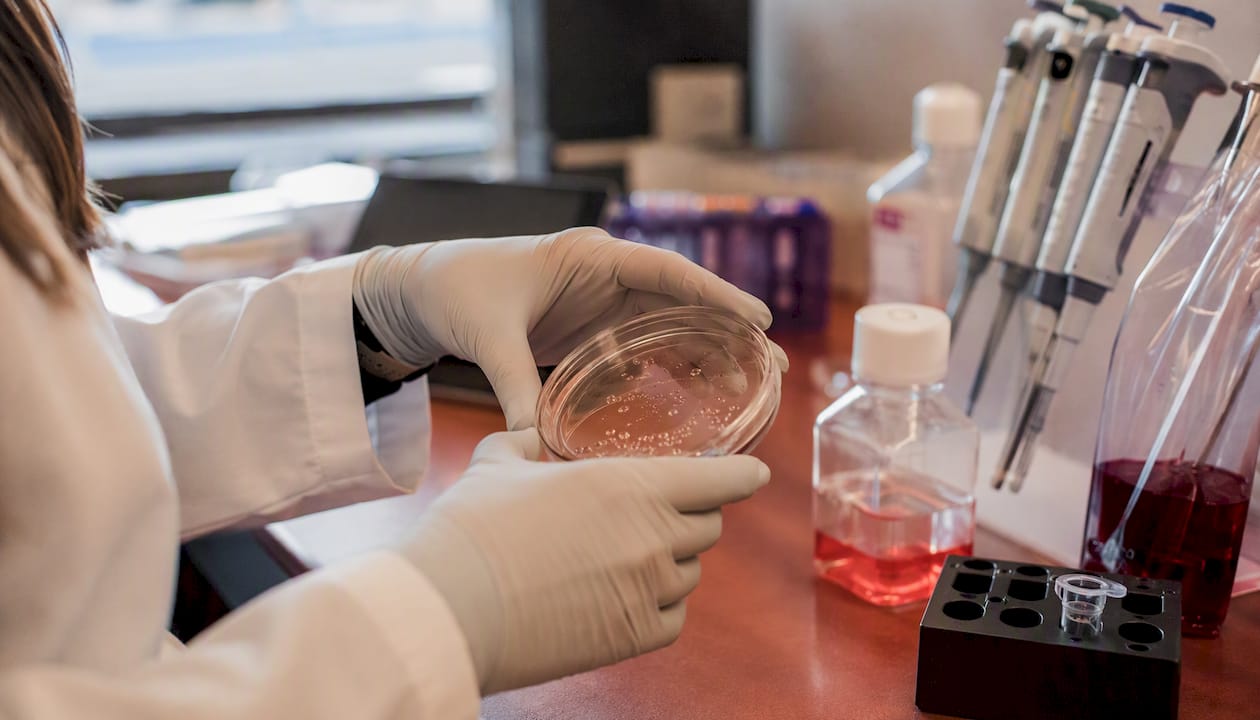
iPSC-derived disease models add substantial value when the relevant cell type is not accessible from a patient biopsy. A patient's skin fibroblasts can be reprogrammed to iPSCs and differentiated into neurons, cardiomyocytes, or hepatocytes, depending on the disease. CRISPR-edited isogenic controls (the same iPSC line with the variant corrected) allow a clean comparison of diseased versus rescued phenotype. The limitation is that iPSC differentiation protocols vary in maturity and reproducibility, and not all disease phenotypes are recapitulated in vitro. Regulators treat iPSC efficacy data as supportive, not as a substitute for in vivo data.
| Study type | Purpose | GLP required? | Typical species |
|---|---|---|---|
| Single-dose PK (IV or IT) | Tissue distribution, plasma half-life, Cmax | No (for IND-enabling) | Rodent (mouse or rat) |
| Repeat-dose toxicology | MTD, NOAEL, organ histopathology | Yes (for standard IND) | Rodent + non-rodent (monkey) |
| Accelerated single-dose or 2-week tox | Safety signal for rapidly progressive disease | Partial GLP acceptable | Rodent |
| Safety pharmacology (CNS, CV, respiratory) | Off-target organ effects | GLP preferred | Rodent or in vitro |
| Genotoxicity (Ames, in vitro clastogenicity) | Mutagenic potential | GLP | In vitro |
For rapidly progressive diseases, FDA precedent allows a compressed toxicology package. A single, focused toxicity study in an appropriate rodent model with in-life monitoring near the maximum tolerated dose has been used to support accelerated IND filings. The Milasen IND, for example, was supported by an abbreviated nonclinical package given the severity and progression rate of the disease. This precedent is documented in the N-of-1 ASO development literature and is a critical planning input for programs where a child's disease is advancing faster than a standard 6-month toxicology study can run.
iPSC disease models are particularly useful for demonstrating on-target pharmacology before committing to animal studies. They do not replace rodent toxicology for IND purposes, but they can de-risk the decision to proceed and strengthen the biological rationale section of the IND.
Routes of administration, biodistribution, and CNS delivery
The administration route for a custom ASO is not a late-stage decision. It determines tissue exposure, the required dose, the toxicity profile, and the manufacturing format. Getting this right early prevents costly reformulation.
Systemic routes (IV or subcutaneous) distribute ASOs broadly, with highest accumulation in liver and kidney. Liver uptake is the default for naked PS-modified ASOs; GalNAc conjugation concentrates delivery further in hepatocytes and allows dose reduction. Renal accumulation is a consistent finding and the basis for monitoring creatinine and urinalysis in clinical protocols. Subcutaneous dosing is preferred for chronic administration because it allows outpatient self-injection and reduces infusion-related reactions.
Intrathecal (IT) delivery bypasses the blood-brain barrier (BBB) and distributes ASO throughout the cerebrospinal fluid, reaching spinal cord and, to a lesser extent, brain parenchyma. IT is the standard route for CNS-targeting ASOs in clinical use (nusinersen, tofersen). Distribution from the lumbar IT space is not uniform: rostral brain regions receive lower exposure than spinal cord, which matters for diseases with significant cortical involvement.
Intracerebroventricular (ICV) delivery provides more uniform brain distribution but requires a surgically implanted reservoir, which adds procedural risk. ICV is used in some N-of-1 programs where cortical delivery is essential and IT distribution is insufficient.
Key insight on CNS delivery: The BBB is not simply a barrier to overcome with a higher dose. Increasing systemic ASO dose to achieve CNS exposure typically produces unacceptable liver and kidney toxicity before therapeutic CNS concentrations are reached. For any CNS-targeting custom ASO program, intrathecal or ICV delivery should be the default assumption, not a fallback option.
Measurable biomarkers of target engagement in CNS programs include CSF neurofilament light chain (NfL) as a neurodegeneration marker, target mRNA levels in CSF-derived cells or post-mortem tissue, and, where applicable, protein biomarkers in CSF. These should be defined in the clinical protocol before dosing begins.
ASO toxicities, immunogenicity, resistance, and monitoring
The safety profile of an ASO is shaped by its chemistry, sequence, dose, and route. Understanding which risks are class-wide and which are sequence-specific allows clinicians to build a monitoring protocol that is proportionate rather than generic.
Class-wide toxicity signals common to PS-modified ASOs:
- Injection-site reactions (erythema, induration, pain): most common with subcutaneous dosing; usually manageable
- Thrombocytopenia: dose-dependent platelet reduction, more pronounced with high PS content; monitor CBC at baseline and each dosing visit
- Renal tubular accumulation: elevated creatinine, proteinuria, or tubular casts on urinalysis; monitor renal function panel
- Hepatotoxicity: transaminase elevation, particularly with high-dose IV administration; monitor LFTs
- Complement activation: rare but serious; associated with high PS content and rapid IV infusion; mitigated by slow infusion rates
- Flu-like symptoms: cytokine release, more common with first doses
Sequence-dependent off-target effects arise when the ASO has sufficient complementarity to an unintended transcript to cause partial knockdown or splice alteration. These are not predictable from chemistry alone and require transcriptome-wide RNA-seq in preclinical models to characterize.
Immunogenicity is a genuine concern, particularly for repeat dosing. PS-modified ASOs can activate innate immune pathways via TLR9 (CpG motifs) or TLR3/7/8. Mitigation strategies include avoiding CpG dinucleotides in the sequence design, using 2'OMe or 2'MOE modifications that reduce TLR activation, and monitoring anti-drug antibodies in clinical protocols. PMOs have a substantially lower immunogenicity profile, which is one reason they are preferred for chronic CNS administration in some programs.
Resistance mechanisms are less well characterized for ASOs than for small molecules, but they occur. The main mechanisms are: reduced cellular uptake (altered endosomal trafficking), target sequence mutation or polymorphism that reduces binding affinity, and compensatory upregulation of the target transcript or alternative isoforms. Monitoring for loss of efficacy over time, with periodic reassessment of target engagement biomarkers, is the practical clinical response.
Clinical monitoring checklist:
- Baseline: CBC with differential, comprehensive metabolic panel (CMP), urinalysis, LFTs, coagulation panel, anti-drug antibody titer, relevant disease biomarkers (NfL, target protein, imaging)
- Each dosing visit: CBC, CMP, urinalysis, injection-site assessment
- Monthly (first 3 months): LFTs, renal function, anti-drug antibody
- Quarterly thereafter: full safety labs, disease biomarker reassessment, neurologic exam (for CNS programs)
- Annual: imaging per disease protocol, long-term efficacy assessment
Pro Tip: For gapmers with high PS content, fractionating the loading dose (splitting the first dose into two administrations 48 hours apart) reduces the peak complement activation signal without meaningfully affecting tissue accumulation. This is a practical risk-reduction step worth building into the clinical protocol for any new gapmer program, particularly in pediatric patients where the safety margin is narrower.
Long-term efficacy data for N-of-1 ASOs remain limited by the small number of treated patients, but published follow-up on Milasen and related cases suggests that clinical stabilization, rather than reversal of established deficits, is the more realistic near-term outcome. Setting that expectation clearly with families before dosing is part of responsible informed consent.
U.S. regulatory pathway: IND requirements and FDA considerations for N-of-1 programs
The FDA's approach to N-of-1 ASO programs is pragmatic: when a disease is rapidly progressive, life-threatening, and has no approved treatment, the agency has shown willingness to accept a compressed nonclinical package and an abbreviated CMC section, provided the sponsor engages early and transparently. That posture is documented in published case precedents and is the practical foundation for any U.S. N-of-1 ASO program.
The IND for a custom ASO has three major components: a nonclinical report, a CMC/chemistry and manufacturing section, and a clinical protocol. For N-of-1 programs, the nonclinical report typically covers in vitro potency data, a single-species toxicology study (often rodent), and a pharmacology summary. The CMC section documents synthesis, analytical release testing, and chain-of-custody for the patient-specific batch. The clinical protocol covers dosing rationale, monitoring schedule, stopping rules, and a data-sharing plan.
| IND component | Minimum content for N-of-1 ASO | Standard IND expectation |
|---|---|---|
| Nonclinical pharmacology | In vitro potency in human cells, mechanism confirmation | Multi-species efficacy, dose-response |
| Toxicology | Single-species, accelerated (2-week in-life acceptable in precedent cases) | Repeat-dose, two species, GLP |
| CMC | GMP synthesis, identity, purity, endotoxin, sterility | Full ICH Q7 package |
| Clinical protocol | Single-patient dosing plan, monitoring, stopping rules, data-sharing | Multi-patient protocol, statistical plan |
| Regulatory meeting | Pre-IND meeting strongly recommended | Pre-IND or Type B meeting |
The FDA has accepted INDs for N-of-1 ASOs after as little as two weeks of in-life toxicity data in select cases where disease progression made a longer study ethically untenable. This is not a blanket policy; it requires a compelling clinical justification and early FDA engagement. A pre-IND meeting is not optional for these programs. It is the mechanism by which the sponsor learns what the agency will and will not accept before spending on GMP synthesis and a full toxicology study.
Expedited pathways available for N-of-1 programs include Expanded Access (compassionate use) and, in some cases, Breakthrough Therapy Designation if the program is structured as a small trial rather than a true single-patient use. The regulatory and logistical hurdles for rare-disease programs are real, but the FDA's track record with N-of-1 ASOs since Milasen shows that the agency treats these cases with genuine flexibility when the clinical need is documented.
GMP manufacturing, CMC requirements, and realistic costs
Manufacturing a custom ASO for human use is not the same as ordering a research-grade oligo from a catalog. The GMP requirements, analytical release testing, and documentation burden are substantial, and they drive cost and timeline more than the raw synthesis chemistry does.
Standard CMC requirements for a custom ASO:
- Sequence identity confirmation (mass spectrometry, sequencing)
- Purity by HPLC (typically greater than 85–90% full-length product)
- Endotoxin testing (LAL assay; limit per FDA guidance for route of administration)
- Sterility testing (for injectable formulations)
- Residual solvent analysis
- Osmolality and pH (for formulated drug product)
- Appearance and particulate matter
- Container-closure integrity
- Chain-of-custody documentation for patient-specific batches
Integrated DNA Technologies (IDT) is a widely used synthesis vendor for research-grade and custom oligonucleotides, and several academic N-of-1 programs have used IDT or comparable vendors for early research synthesis before transitioning to a GMP-capable manufacturer for IND-enabling batches. GMP synthesis for a custom ASO typically requires a vendor with small-batch flexibility, regulatory support for IND documentation, and experience with the specific chemistry (PS gapmer vs PMO).
Boston Children's Hospital reported an average development cost of approximately USD 1.6 million for N-of-1 ASO programs, covering design, preclinical work, GMP synthesis, and clinical administration. That figure is substantially lower than the average cost of a fully approved drug program, but it still requires serious fundraising, typically through patient foundations, philanthropic grants, or biopharma partnerships. Manufacturing for N-of-1 ASOs prioritizes small-batch GMP capacity, rapid analytical release assays, and vendor flexibility; these parameters drive cost and lead time more than raw synthesis expense.
Vendor selection criteria for a GMP-capable ASO manufacturer:
- Demonstrated GMP synthesis capability for the required chemistry (PS gapmer, PMO, or conjugated ASO)
- Small-batch flexibility (N-of-1 programs rarely need more than a few grams)
- Regulatory support for IND CMC documentation
- Turnaround time for analytical release testing
- Experience with patient-specific chain-of-custody requirements
For a detailed cost and development comparison across ASO development approaches, the Hopeatrarelabs resource covers the major cost drivers and how they scale with program complexity.
Real N-of-1 cases: Milasen and what followed
The N-of-1 ASO field has moved from a single proof-of-concept to a small but growing body of documented cases, each adding to the shared understanding of what is feasible, how fast it can move, and where the risks concentrate.
Milasen (CLN7 Batten disease, Boston Children's Hospital)
Mila Makovec carried a private intronic variant in the CLN7 gene that activated a pseudoexon, producing a truncated, nonfunctional protein. The variant was identified by whole-genome sequencing. A splice-switching ASO was designed to block the pseudoexon inclusion site, restoring correct splicing. The timeline from variant identification to first human dose was approximately one year. The IND was supported by an accelerated nonclinical package, and the FDA accepted it under the compassionate use framework. Mila received intrathecal doses over several months; her seizure frequency decreased and her disease progression appeared to slow, though she ultimately died from disease complications. The case established that the N-of-1 pathway is regulatorily viable and scientifically sound, and it generated the foundational precedent that subsequent programs have built on.
Lesson from Milasen: Speed and scientific rigor are not mutually exclusive in N-of-1 ASO development. The program moved in one year because the team had a clear variant, a clear mechanism, and a clear regulatory strategy from the start. Programs that stall typically do so at the variant characterization or funding stage, not the chemistry stage.
Atipeksen and related N-of-1 programs
Atipeksen was developed for a patient with a private variant in the ATP1A3 gene causing a severe neurological disorder. Like Milasen, it used a splice-switching mechanism and an accelerated IND pathway. The case added to the evidence base that the Milasen approach was reproducible and not a one-time exception.
Broader pattern across N-of-1 cases: The programs that have reached human dosing share three features: a functionally characterized variant with RNA-level evidence, a clinical team with regulatory experience, and a funding source committed before IND submission. Programs missing any one of these three elements consistently stall.
Lessons across documented cases:
- Functional RNA evidence (not just genomic prediction) is the single most important eligibility criterion
- Accelerated toxicology is accepted by FDA when clinical urgency is documented and the pre-IND meeting is used effectively
- Data sharing and registry enrollment are increasingly expected, both ethically and practically, to build the field
- Family fundraising timelines often determine program speed more than scientific timelines
How Hopeatrarelabs integrates iPSC models and parallel screens to accelerate custom ASO programs
The bottleneck in most N-of-1 ASO programs is not the chemistry. It is the decision of which candidate to advance to GMP synthesis and IND-enabling toxicology. Committing to the wrong lead sequence costs months and hundreds of thousands of dollars. Hopeatrarelabs addresses that bottleneck directly.
The workflow begins with patient-derived iPSCs reprogrammed from skin fibroblasts or blood cells. CRISPR-edited isogenic controls are generated in parallel, providing a clean comparison between the disease genotype and the corrected state. This removes the noise of genetic background variation that confounds results in non-isogenic models.
The practical value of iPSC-based parallel screens: Running 10–20 ASO candidates in a patient-derived iPSC-differentiated cell model simultaneously, with isogenic controls as the reference, compresses what would otherwise be sequential in vitro testing into a single experimental round. The output is a ranked candidate list with on-target activity, isoform correction data, and initial cytotoxicity signals, all before a single GMP batch is ordered.
The Hopeatrarelabs workflow delivers: iPSC reprogramming and quality control, CRISPR isogenic line generation, disease-relevant cell differentiation (neurons, cardiomyocytes, hepatocytes depending on indication), parallel ASO candidate screen with dose-response, and a ranked candidate report with supporting data for IND preparation. For a typical iPSC-guided custom ASO program, the iPSC generation and initial screen phase runs approximately 4–6 months, with clinician touchpoints at variant review, screen design approval, and results interpretation. That timeline feeds directly into the IND-enabling toxicology phase rather than preceding it by a year of sequential experiments.
Pro Tip: When setting up a collaboration with a lab partner like Hopeatrarelabs, resolve sample handling and consent logistics before the science starts. Patient-derived iPSC programs require a skin punch biopsy or blood draw under an IRB-approved consent that explicitly covers iPSC generation and research use. Delays in consent or sample shipping are the most common cause of program start delays, not lab capacity. Have the consent language reviewed by your institution's IRB and the lab partner's team simultaneously, not sequentially.
The gap between what N-of-1 ASO programs promise and what actually determines success
The field has a tendency to frame N-of-1 ASO development as a scientific problem. It is not, primarily. The science, once the variant is characterized, is the most tractable part of the whole enterprise. What actually determines whether a child receives a custom ASO in time is a combination of factors that have nothing to do with oligonucleotide chemistry.
The first is variant characterization speed. Whole-genome sequencing is now widely available, but functional RNA characterization, the step that confirms a variant actually alters splicing or expression, still requires a specialized lab and often takes months. Programs that build RNA characterization into the diagnostic workup from the start, rather than treating it as a research add-on after diagnosis, consistently move faster.
The second is funding. The USD 1.6M figure from Boston Children's Hospital is a real planning number, not a worst case. Most families cannot raise that amount without a foundation, a biopharma partner, or both. The programs that reach human dosing have almost always secured committed funding before the IND is filed, not after. Treating fundraising as a parallel track to science, not a sequential one, is the single most underrated operational decision in N-of-1 program planning.
The third is regulatory strategy. The FDA has been genuinely flexible with N-of-1 ASO INDs, but that flexibility is not automatic. It requires a pre-IND meeting, a clear clinical justification for the compressed timeline, and a sponsor who understands what the agency needs to see. Academic centers that have done this before, like Boston Children's Hospital, move faster not because they have better chemistry but because they have institutional memory of what the FDA will and will not accept.
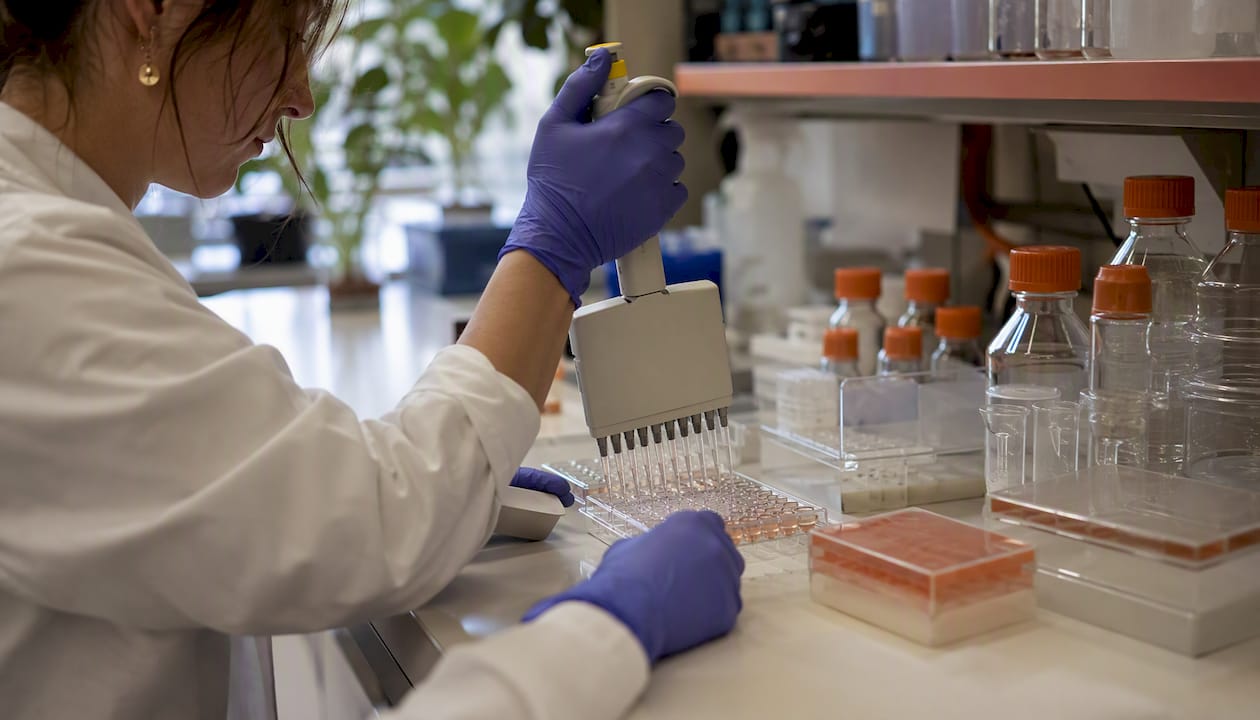
What I find underappreciated in most published accounts of N-of-1 programs is the role of the iPSC screen in compressing the decision timeline. The conventional approach, testing ASO candidates sequentially in patient cells, can take six months before a lead is identified. Running 15–20 candidates in parallel in a patient-derived iPSC model, with isogenic controls, cuts that to weeks. That compression matters enormously when a disease is progressing in real time.
The conventional advice to "start early" is correct but incomplete. Start early on variant characterization, start early on fundraising, start early on the pre-IND meeting, and start early on the iPSC screen. Any one of these done late becomes the rate-limiting step for the whole program.
Hopeatrarelabs: patient-derived iPSC modeling and custom ASO screening for ultra-rare diseases
When a child has a private genetic variant and no approved treatment exists, the question is not whether to pursue a custom ASO. It is how to identify the right candidate sequence before committing to GMP synthesis and an IND-enabling toxicology study that costs hundreds of thousands of dollars.
Hopeatrarelabs runs patient-derived iPSC disease models with CRISPR isogenic controls and parallel ASO candidate screens, delivering a ranked candidate list with on-target activity and cytotoxicity data before any GMP batch is ordered. The program covers iPSC reprogramming, disease-relevant cell differentiation, and a parallel screen of 10–20 ASO candidates with full dose-response data, typically within a 4–6 month window. For families, foundations, and clinician-investigators who need to move fast without wasting resources on the wrong lead, that is the practical starting point. Start a conversation with Hopeatrarelabs to discuss whether your variant and disease context fit the program.
This article is general information, not a substitute for advice from a qualified doctor. Consult a qualified healthcare professional about your own circumstances before acting on anything here.
Sources
The following sources underpin the clinical and regulatory claims in this article. Each is worth consulting directly before initiating a program.
- Pmc