
Finding a patient-specific disease modeling provider able to run rapid, individualized drug and gene therapy screens is difficult for researchers and families. Many vendors require custom quotes, lack transparent pricing, or only offer slow, sequential workflows that delay potential treatment leads. This comparison covers sample processing, workflow speed, technical specialization, and research outcome ownership so you can select the best partner for your project.
Table of Contents
RareLabs
At a Glance
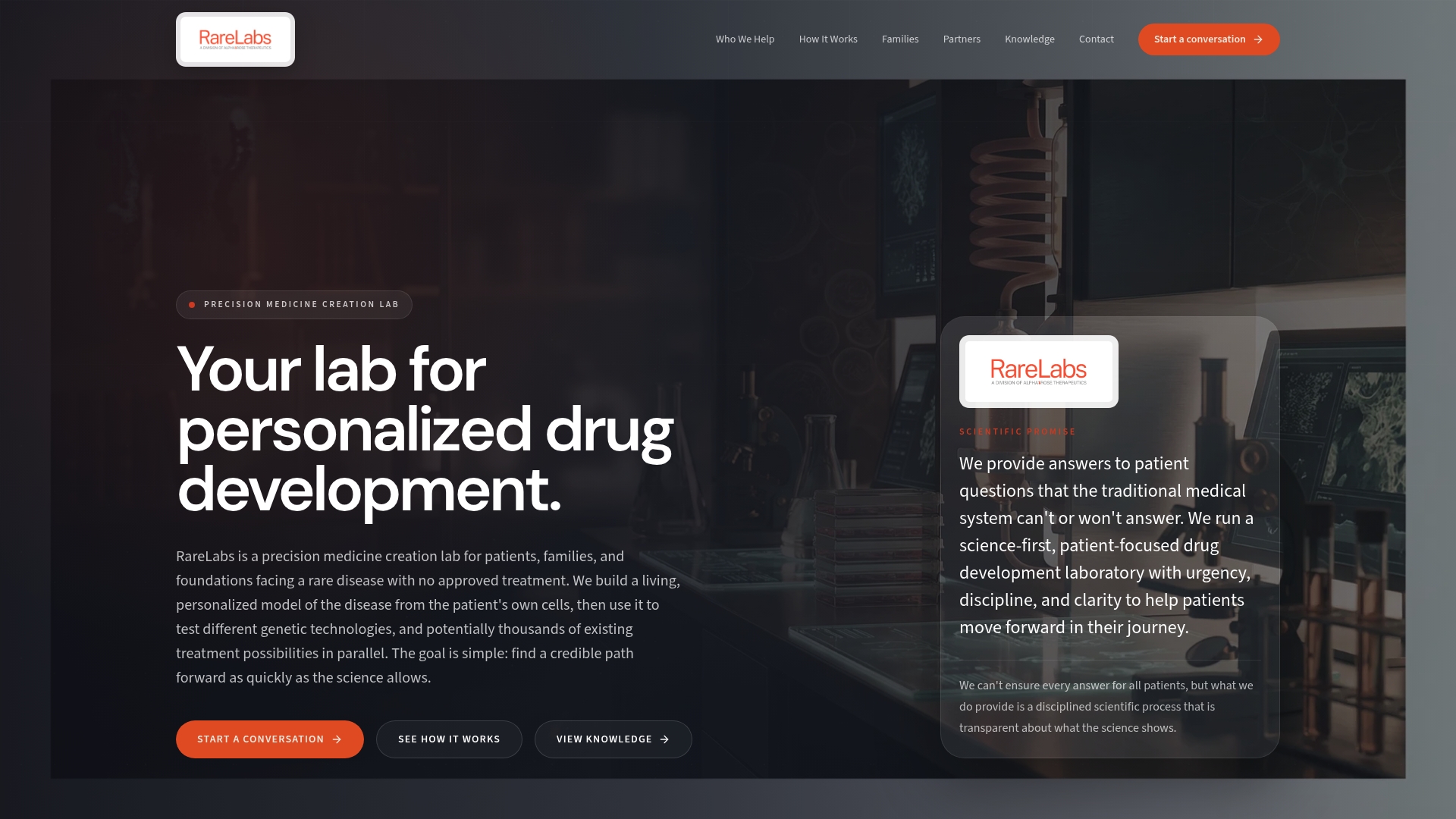
Screens approximately 3,000 FDA approved drugs in parallel against patient derived models. The lab builds disease models from blood or skin samples and creates CRISPR corrected isogenic control lines for direct comparison. The vendor advertises a typical timeline of 12–15 months. That timeline reflects a program that runs multiple treatment paths at once rather than performing sequential tests.
Core Features
RareLabs builds patient specific disease models from blood or skin and uses iPSC reprogramming and gene editing to create matched control lines. The lab runs parallel screens that include about 3,000 FDA approved drugs, designs and tests up to 50 custom antisense oligonucleotide candidates, and evaluates gene therapy feasibility based on the underlying biology. The workflow pairs automated parallel screening with hands on molecular biology to translate promising hits into candidate treatment paths.
Key Differentiator
RareLabs runs treatment discovery in parallel to significantly reduce the time needed to identify potential therapies for life threatening rare diseases. Running drug screens, ASO candidate testing, and gene therapy evaluation at the same time compresses what would be months of sequential experiments. That model aims to surface leads faster while keeping all comparisons within the same patient specific system.
Pros
The parallel approach accelerates experimental throughput and keeps comparisons internal to the patient specific model. Patients and families keep ownership of data and IP, which supports follow up research or partnerships with industry and foundations. The lab maintains active collaborations with biopharma and provides detailed plain language updates for families and clinicians, which helps non specialists follow complex results.
Cons
- The program's timeline above may feel lengthy for urgent cases.
Who It's For
Patients and families facing rare genetic diseases with no approved therapies who want an individualized, research driven effort. Clinician scientists and foundations that run N of 1 or N of few studies and want lab generated evidence to inform trials. Advocacy groups and translational partners seeking a partner that will share methods and enable downstream collaboration.
Unique Value Proposition
Patients retain ownership of their data and intellectual property while RareLabs runs parallel treatment discovery on their samples. That ownership model makes it feasible for families or foundations to take promising leads into shared research or licensing conversations. The setup reduces legal and logistical friction when moving candidate therapies toward clinical or philanthropic support.
Real World Use Case
A family with a rare genetic diagnosis supplies blood or skin samples and the lab reprograms cells into disease relevant lines. RareLabs runs parallel drug and ASO screens and assesses gene therapy feasibility within the same experimental framework. That workflow produces prioritized leads and plain language reports clinicians can use to discuss next steps with families and funders.
Pricing
Pricing is not listed and the product page marks pricing as not applicable. The site serves informational and program description purposes rather than offering fixed plans. Project budgets and timelines are bespoke and will depend on the assays, scope, and translational goals.
Website: https://hopeatrarelabs.com
Greenstone Biosciences
At a Glance
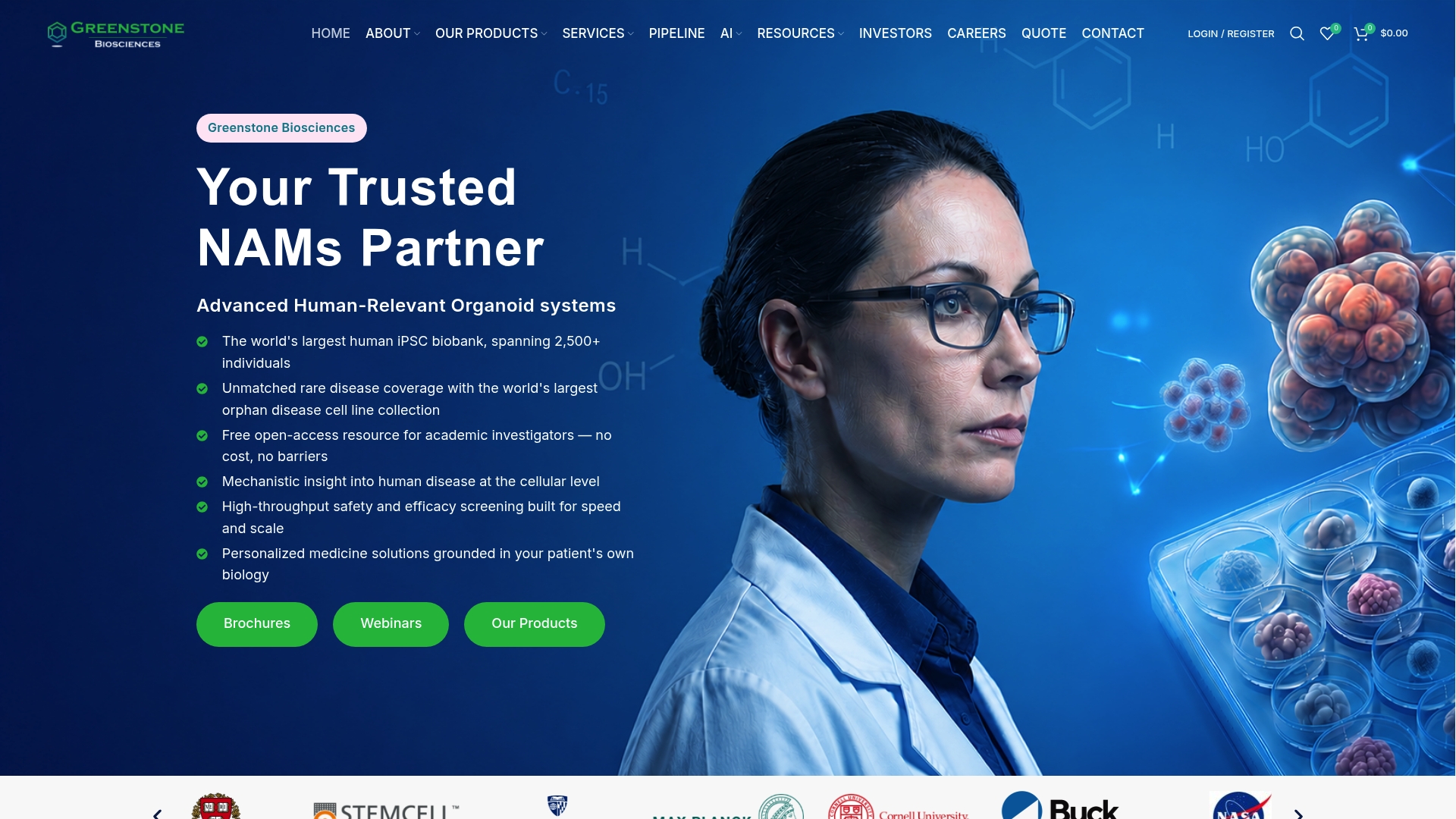
Greenstone Biosciences reports a human iPSC biobank of more than 2,500 individuals, including rare disease samples. The company combines patient iPSC lines and organoid systems with AI driven multi omics and molecular simulation tools. That mix supports early safety screening and mechanistic studies for drug discovery.
Core Features
Greenstone supplies a wide catalog of iPSC derived cells and organoids for disease modeling and compound testing. The platform pairs those cellular models with an AI enabled drug discovery platform that integrates multi omics datasets and molecular simulations. Offerings also include custom iPSC models, high throughput screening workflows, safety assays, and open access resources for academic researchers.
Key Differentiator
Greenstone sets itself apart by pairing a large human iPSC biobank with AI driven multi omics to create human relevant, scalable models for drug development. That combination shortens the path from mechanistic insight to testable leads in preclinical screening. The lab focus on replacement approaches to animal testing reinforces the human centric model set.
Pros
The extensive biobank enables disease modeling across genetically diverse and rare samples, which improves the chance of finding patient specific signals. Integration of AI driven multi omics with organoid models helps prioritize targets and predict safety issues earlier in discovery. The platform offers both wet lab assets and computational tools, and the Stanford research connections strengthen scientific credibility.
Cons
- Pricing details are not published and likely require a custom quote for research grade biobanking and services.
- Deploying specialized cellular models requires technical expertise and lab capacity to handle iPSC and organoid workflows.
- Public information on direct commercial therapeutic applications and regulatory pathways is limited.
When It May Not Fit
If you need clear off the shelf price points or fixed service packages, Greenstone may not match your procurement process. Small labs without prior iPSC or organoid experience will face a learning curve and may need implementation support. Teams seeking ready-made clinical stage therapeutic solutions should note the company emphasizes research and discovery rather than marketed treatments.
Who It's For
Research scientists and clinicians in academic labs will find the biobank and open access resources valuable for mechanistic studies. Biotech and pharmaceutical discovery groups will use the platform to run high throughput screening and safety testing with patient derived models. Translational researchers aiming to reduce translational risk will benefit most from the combined wet lab and computational stack.
Real World Use Case
A pharmaceutical company partners with Greenstone to test candidate cardiovascular compounds on patient specific cardiac organoids. The team runs toxicity and efficacy panels and feeds multi omics readouts into the AI platform to prioritize leads. That workflow highlights early human relevant safety signals and refines which molecules proceed to animal studies.
Pricing
Pricing is not specified publicly and appears to follow a custom quote model for products and services. Expect project based quotes for custom iPSC models, screening campaigns, and access to the AI platform. Procurement typically requires direct engagement to define scope and deliverables.
Website: https://greenstonebio.com
ixCells Biotechnologies
At a Glance
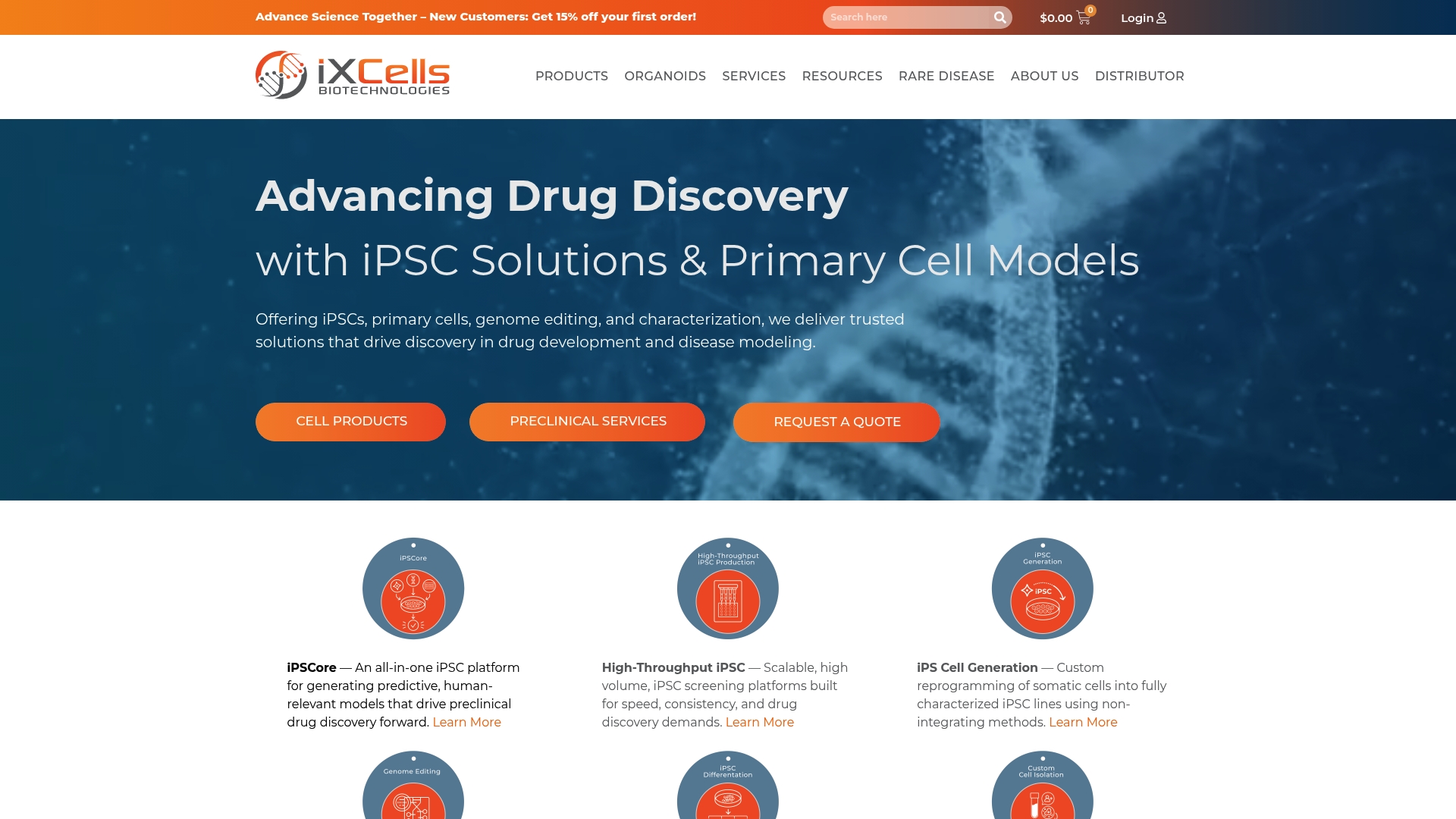
ixCells reports reprogramming efficiency above 95% for iPSC production. The vendor reports a typical reprogramming turnaround of 2 to 3 months for iPSC creation. That mix of claimed efficiency and speed suits projects that need patient specific cellular models quickly.
Core Features
ixCells provides iPSC generation from fibroblasts, PBMCs, and MSCs using integration free protocols, plus human and animal primary cell offerings. The platform supports high throughput and scalable screening pipelines and custom differentiation into neurons, cardiomyocytes, hepatocytes, and other cell types. Advanced genome editing with CRISPR/Cas9 enables knock in, knock out, and point mutation editing for target validation and functional studies.
Key Differentiator
The platform links high efficiency iPSC generation to precise genome editing and tailored differentiation under rigorous quality control. This single provider model reduces protocol handoffs and preserves experimental consistency across reprogramming, editing, and differentiation workflows. That approach fits teams that prefer a unified vendor for model creation and downstream screening.
Pros
ixCells produces physiologically relevant human and animal cell models that map closely to study biology. The team reports fast turnaround and that efficiency claim, which helps shorten timelines for preclinical screening and validation. They offer deep customization and established protocols for differentiation and gene editing, which reduces method development for in house teams.
Cons
-
Limited pricing transparency. Specific quotes are required for most services and products.
-
Some products, such as NASH stellate cells, are temporarily out of stock or on backorder.
-
Service outcomes depend on donor sample quality, so variability can occur across projects.
When It May Not Fit
If your budget requires public list pricing, this provider may not match that need because quotes are required. Projects that need immediate access to certain niche cell types should plan for backorder risk. Teams that must avoid variability from donor material should consider solutions with strictly controlled cell banks.
Who It's For
Biomedical researchers, pharmaceutical companies, biotech firms, and academic laboratories needing customized human and animal cellular models will find ixCells appropriate. The offering suits teams running drug discovery screens, disease modeling, or target validation that want vendor managed iPSC generation and editing. It fits groups that prefer a single supplier for model creation and downstream testing.
Real World Use Case
A biotech company worked with ixCells to build patient specific iPSC models for Alzheimer disease. The supplier used gene editing and differentiation services to produce neuronal cells tailored to the patient genotype. The company then ran drug screens on those cells to prioritize lead compounds.
Pricing
Pricing varies by service and product. Specific quotes are provided upon request for most projects.
Website: https://ixcellsbiotech.com
definigen
At a Glance
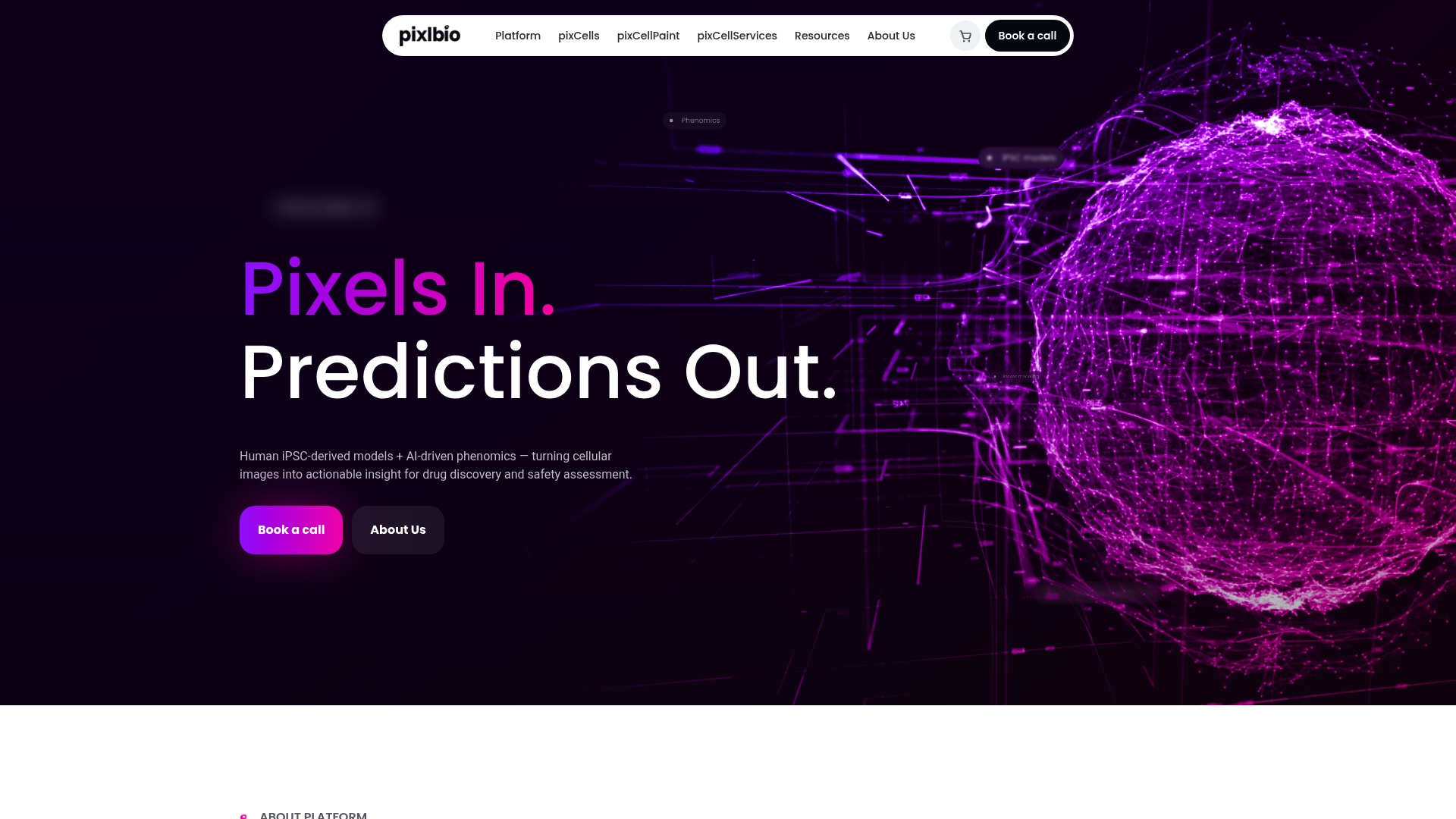
Human iPSC-derived models paired with AI-driven phenomics turn cellular images into predictive assay readouts. The platform focuses on converting microscopy data into signals for mechanism of action, toxicity, and efficacy. That approach aims to shorten the gap between cell biology observations and preclinical decision making.
Core Features
DefiniGen delivers human iPSC-derived models, coupled with AI-driven phenomics, to analyze complex cellular phenotypes. The system includes automated high-content imaging and cell painting workflows and offers custom disease model creation plus genetic engineering for targeted studies. Predictive modeling tools connect phenotype signatures to likely mechanisms and toxicity endpoints.
Key Differentiator
The primary differentiator is the tight integration of human cell models with computer vision and machine learning for phenotypic readouts. That combination targets biologically relevant predictions rather than single end point assays. Teams focused on mechanism discovery will find that model-to-analysis pipeline particularly focused on translational signal extraction.
Pros
DefiniGen supplies scalable human cell models that reduce reliance on nonhuman systems and support human-relevant readouts. Automation reduces run-to-run variability and manual handling errors, which improves reproducibility for longitudinal studies. The vendor states it is trusted by leading biopharma companies, which suggests the platform is used in industry workflows for preclinical research.
Cons
-
Limited product detail: The available content lacks specific assay formats, throughput claims, and validation datasets.
-
Pricing opacity: No public pricing or commercial licensing terms are listed, which complicates budgeting for projects.
-
Research focus only: The offering targets laboratory research use and is not a regulated therapeutic or clinical diagnostic product.
When It May Not Fit
Groups without in-house cell biology or image analysis expertise will face a steep learning curve. Small academic labs with minimal automation budgets may find the platform too research heavy. Teams seeking an out-of-the-box commercial diagnostic or patient-facing tool should look elsewhere.
Who It's For
Pharmaceutical and biotech researchers running early-stage drug discovery, toxicity screening, or mechanism studies will gain the most. Preclinical teams that already use iPSC models and need higher-throughput phenotypic readouts fit well. Computational biology groups that can integrate machine learning outputs into target selection will also benefit.
Real World Use Case
A biopharma company screens candidate compounds for liver toxicity using DefiniGen hepatocyte models. Automated imaging captures cell painting signatures and AI groups compounds by phenotype. Project leads then prioritize compounds with clean signatures for lead optimization.
Pricing
Pricing is not listed publicly. The product entry is informational only, and commercial terms appear to be provided via direct engagement. Prospective customers must contact DefiniGen for licensing and project quotes.
Website: https://definigen.com
Alternatives for Patient-Specific Disease Modeling
Decision-makers can compare these labs based on workflow efficiency and patient-specific research capabilities.
| Product | Core Feature | Key Differentiator | Best For | Pricing | Notable Limitation |
|---|---|---|---|---|---|
| Hopeatrarelabs | Disease models from patient materials | Parallel testing to reduce discovery time | Families facing rare genetic diseases | Price not published | Timeline may feel lengthy for urgent cases |
| Greenstone Biosciences | AI-driven multi-omics platform with iPSC biobank | Extensive human biobank with scalable AI models | Academic labs and translational research | Price not published | Requires technical expertise for deployment |
| ixCells Biotechnologies | High-efficiency iPSC production with rapid turnaround | Single provider model for cell workflows | Biomedical and pharmaceutical researchers | Price not published | Variability depends on donor sample quality |
| DefiniGen | Automated phenotypic modeling with iPSC-derived cells | Tight integration of cell biology and AI | Early-stage drug discovery | Price not published | Limited public detail on assays and datasets |
How to Find Hope-Horizons.com Alternatives That Deliver Patient-Centered Rare Disease Solutions
Patients and families facing rare genetic diseases often struggle with lengthy timelines and limited therapy options. Hopeatrarelabs addresses these challenges by creating patient-specific disease models using cells from blood or skin samples. Their parallel testing of thousands of FDA-approved drugs and personalized gene editing offers faster insights than sequential approaches. This focus supports families, clinicians, and foundations seeking personalized, research-driven treatment paths.
Explore Hopeatrarelabs' approach to accelerating potential therapies by visiting Hopeatrarelabs. Learn how their unique data ownership model lets patients and foundations steer promising leads toward research or clinical use. Connect with experts to evaluate sample-based screening timelines and support strategies tailored for rare disease cases.
FAQ
How does Hopeatrarelabs expedite treatment discovery?
Hopeatrarelabs runs treatment discovery in parallel to significantly reduce the time needed to identify potential therapies for life-threatening rare diseases. This method compresses what would be months of sequential experiments, allowing for faster lead generation. Patients seeking quick results will find this approach highly beneficial.
What is the difference between Greenstone Biosciences and Hopeatrarelabs?
Greenstone Biosciences integrates a large human iPSC biobank with AI-driven multi-omics for drug development. This approach excels in creating scalable models for early safety screening and mechanistic studies. Patients who prioritize individualized disease modeling may prefer Hopeatrarelabs for its patient-specific focus and parallel treatment discovery.
How does the ownership model of Hopeatrarelabs benefit patients?
Patients retain ownership of their data and intellectual property while Hopeatrarelabs conducts treatment discovery on their samples. This ownership facilitates further research and collaboration options down the line, giving families more control over their treatment pathways.
Can I access detailed updates about the research process with Hopeatrarelabs?
Yes, Hopeatrarelabs provides detailed plain language updates for families and clinicians, helping them follow complex results easily. This transparency is crucial for patients who want to understand their treatment options thoroughly.
What pricing model does Hopeatrarelabs use?
Pricing is not publicly listed and varies depending on the specific assays and scope of the projects. Potential clients should be prepared for bespoke project budgets tailored to their translational goals.